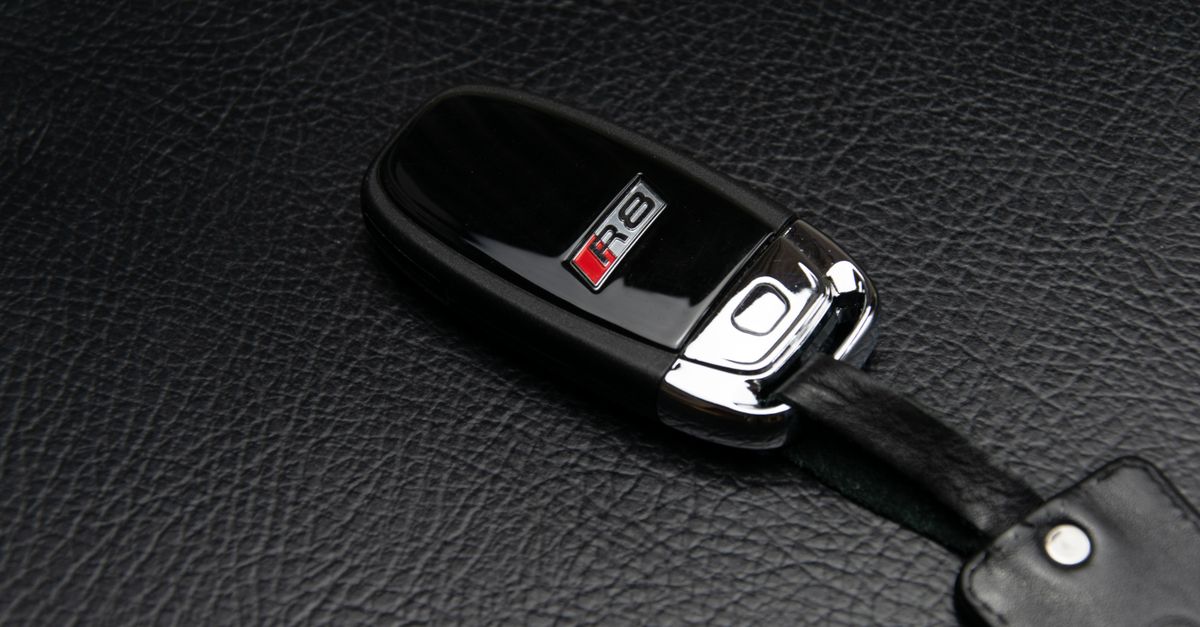
What Makes Audi Car Key Replacement More Complex Than a Standard Key Cut
Audi has invested heavily in vehicle security over the past two decades, which means the keys protecting your car are far more than a shaped piece of metal. Virtually every Audi sold since the early 2000s uses a transponder chip embedded inside the key head. That chip communicates with your car's immobilizer unit — if the code doesn't match, the engine won't start, even if the physical key blade turns the ignition perfectly. Newer Audi models go further, using proximity-based smart keys (often called Audi Advanced Key or Comfort Key) that allow push-button starting and keyless entry without ever removing the key from your pocket. These systems require bi-directional programming using manufacturer-level diagnostic software, not a generic key programmer from a hardware store.
Key fobs — the remote portion that locks, unlocks, and in some cases opens the trunk or sunroof — add another layer. On many Audi vehicles the fob and the transponder key are combined into a single flip-key or blade-style unit, meaning a failure of either the electronic or mechanical component requires addressing both at once. Our technicians carry the cutting and programming equipment to handle the full range of Audi key types: basic transponder keys, remote head keys, HU66 and HU162T blade profiles, and proximity smart key fobs. We work to complete every job damage-free, protecting your steering column and door hardware throughout the process.